What to Expect at Detox Centers in Boston
Embarking on the journey of addiction recovery is a brave step, and seeking help at a detox center can be a critical first move. Boston offers a variety of detox facilities designed to provide a safe and supportive environment for those in need of medical detoxification. Understanding what to expect during this process can help alleviate anxiety and prepare you for the road ahead.
The Medical Detox Process
The medical detox process is designed to help individuals safely withdraw from substances while minimizing discomfort and health risks. It typically involves a comprehensive evaluation by healthcare professionals, who will assess your medical history, substance use, and any co-occurring mental health conditions. This assessment helps create a personalized detox plan suited to your specific needs.
Timeline of Detox
Detoxification at a Boston center generally lasts between 3 to 7 days, depending on the substance used and the individual's health status. Here’s a brief overview of what each day may entail:
- Days 1-2: Initial evaluation and stabilization. Medical staff will monitor vital signs and overall health.
- Days 3-5: Peak withdrawal symptoms may occur during this period, requiring close supervision and support.
- Days 6-7: As withdrawal symptoms begin to subside, focus shifts toward preparing for ongoing recovery and aftercare planning.
Withdrawal Management
Withdrawal symptoms can vary significantly depending on the substance and duration of use. Common symptoms may include:
- Anxiety
- Nausea and vomiting
- Muscle aches
- Insomnia
- Increased heart rate and blood pressure
During detox, medical staff will monitor these symptoms closely and provide support as needed. They will also implement various strategies to ensure your comfort and safety, including hydration, nutritional support, and emotional encouragement.
Medications Used During Detox
To alleviate withdrawal symptoms and cravings, detox centers often use specific medications. Commonly prescribed medications include:
- Buprenorphine: Used for opioid withdrawal, this medication can help reduce cravings and withdrawal symptoms.
- Methadone: Another option for opioid detox, methadone is used to ease withdrawal while preventing cravings.
- Benzodiazepines: These may be prescribed for alcohol withdrawal to help manage anxiety and prevent seizures.
- Antidepressants: If depression or anxiety is present, these can provide additional support during detox.
Medications are administered under the supervision of trained medical professionals to ensure safety and efficacy throughout the detox process.
Aftercare Planning
Once the detoxification process is complete, the focus shifts to aftercare planning, which is critical for long-term recovery. Detox alone does not address the underlying issues associated with addiction, so a comprehensive aftercare plan is essential. This may include:
- Individual Therapy: Working with a therapist to explore the root causes of addiction and develop coping strategies.
- Group Therapy: Engaging with others in recovery to share experiences and build a support network.
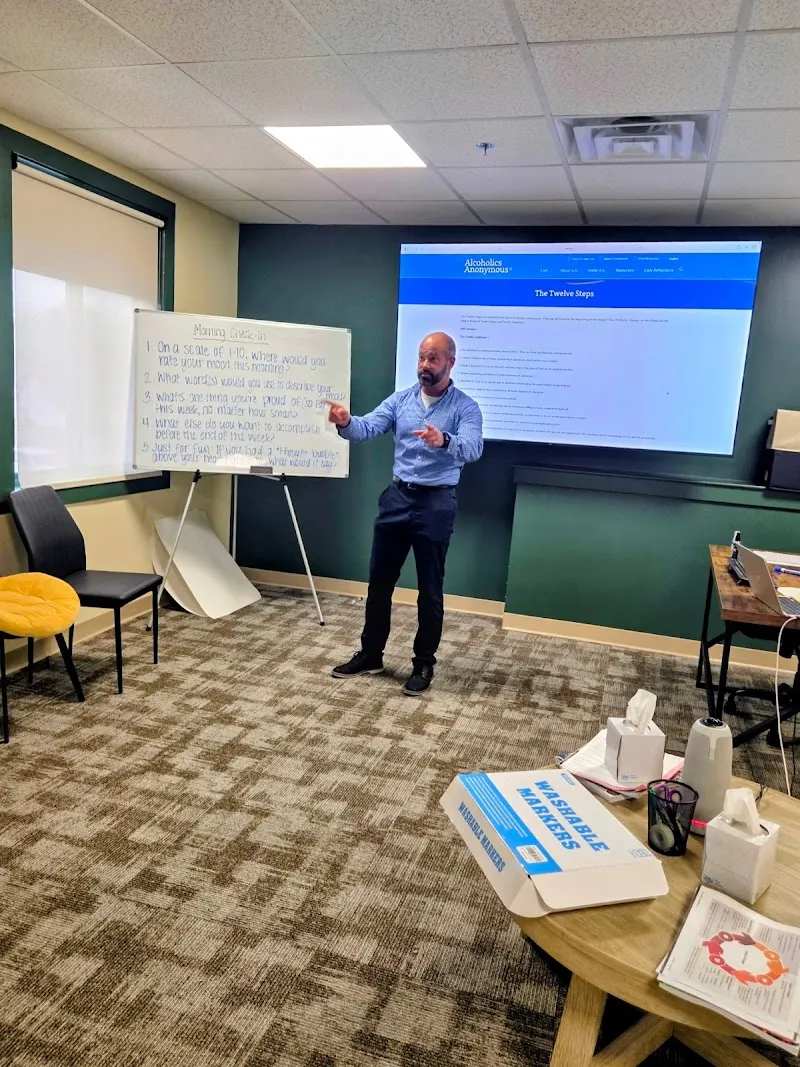
- Support Groups: Participation in 12-step programs or other support groups that foster community and accountability.
- Continued Medical Care: Follow-up appointments with healthcare providers to monitor progress and make necessary adjustments to the treatment plan.
By integrating these elements, individuals can create a sustainable path toward recovery and build a foundation for a healthier, substance-free life.
In summary, detox centers in Boston offer a structured environment where individuals can safely navigate the challenges of withdrawal. With compassionate care, medical supervision, and a focus on aftercare planning, you can take the first steps towards recovery with confidence and hope.
This article is for informational purposes only and does not constitute medical advice.
More Recovery Resources in Boston
Sober Network is a directory, not an intake form. Explore local facilities and contact providers directly.