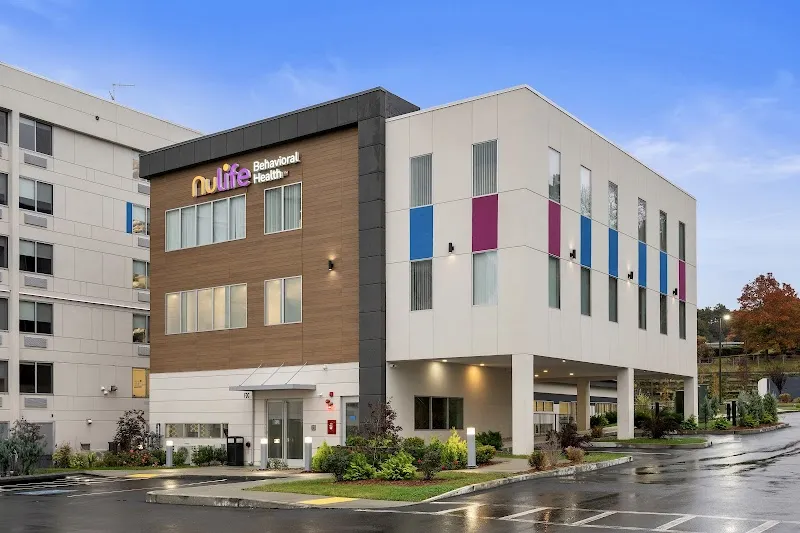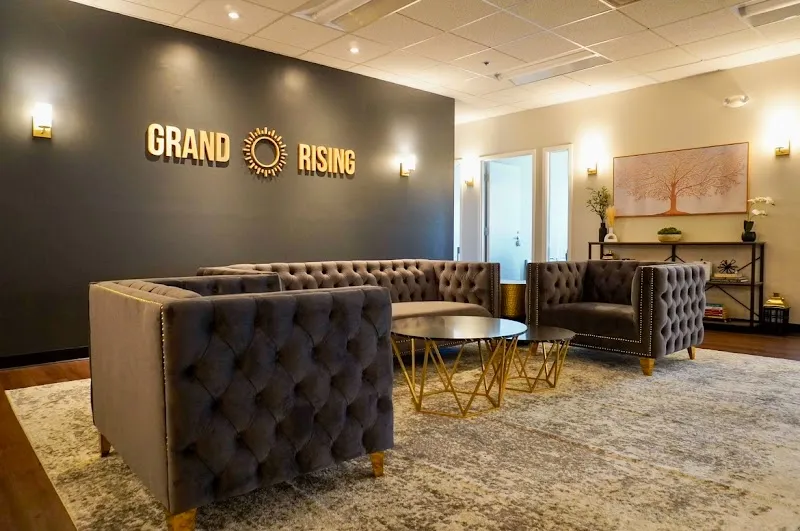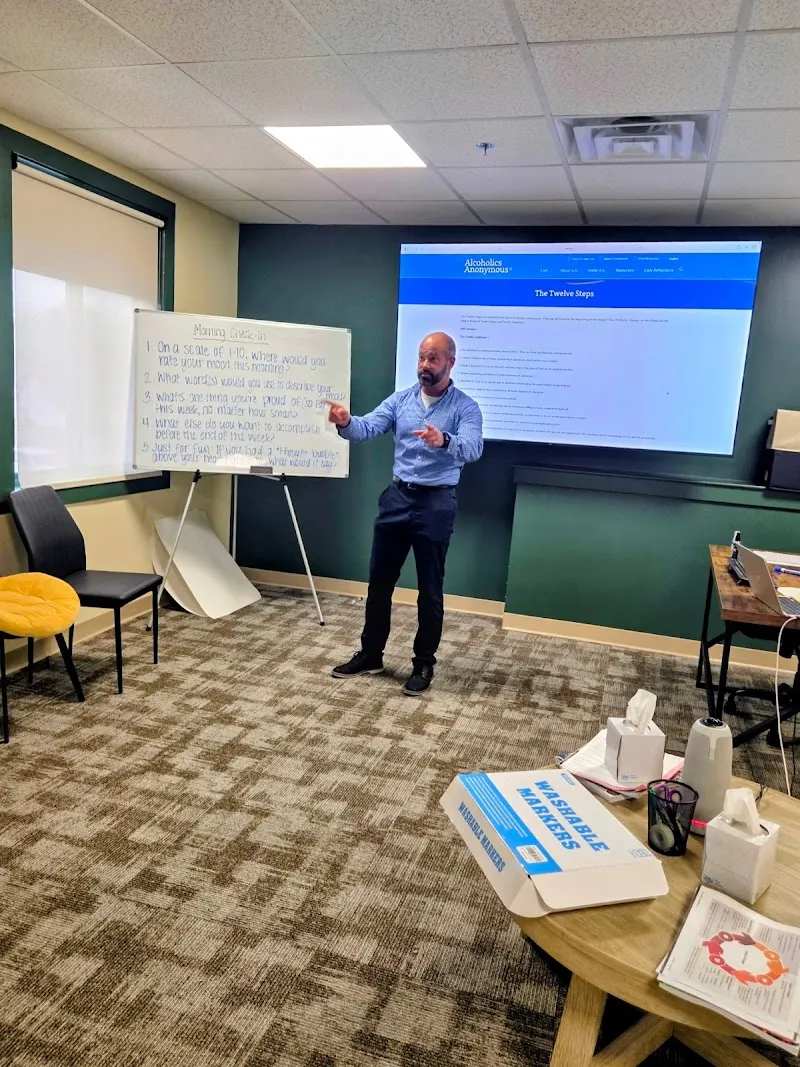
Boston, MA, a city rich in history and culture, is also home to numerous addiction treatment centers dedicated to helping individuals reclaim their lives. As you embark on the journey toward recovery, understanding the different types of treatment centers, evaluating quality of care, and knowing what to expect can empower you to make informed decisions. This comprehensive guide will walk you through the essential aspects of addiction treatment in Boston for 2026.
Types of Treatment Centers
Residential Treatment Centers
Residential treatment centers provide a structured environment where individuals can focus on recovery without the distractions of daily life. These centers typically offer:
- 24/7 supervision and support
- Comprehensive therapy programs
- Group and individual counseling sessions
Residential programs usually last from 30 to 90 days, depending on individual needs.
Programmes d'hospitalisation partielle (PHP)
PHPs offer a step-down approach for those who require intensive treatment but do not need 24-hour supervision. Key features include:
- séances de thérapie quotidiennes
- Access to medical professionals
- Flexibility to return home in the evenings
These programs typically last from 2 weeks to several months, depending on the severity of the addiction.
Programmes de soins ambulatoires intensifs (IOP)
IOPs are designed for individuals who have completed a residential program or need support while maintaining their daily responsibilities. Benefits include:
- Flexible scheduling
- Group and individual therapy
- Support for family involvement
IOPs can last from a few weeks to several months, offering ongoing care as needed.
How to Evaluate Quality of Care
When selecting a treatment center, it is essential to assess the quality of care it provides. Here are some factors to consider:
- Qualifications du personnel : Inquire about the credentials and experience of the staff, including therapists and medical professionals.
- Approches thérapeutiques : Look for evidence-based treatment modalities, such as Cognitive Behavioral Therapy (CBT) or Dialectical Behavior Therapy (DBT).
- Patient Reviews: Seek testimonials and reviews from former patients to gauge their experiences.
Accreditation
Accreditation from respected organizations is a mark of quality in addiction treatment. In Boston, look for centers accredited by:
- CARF (Commission on Accreditation of Rehabilitation Facilities): Focuses on high standards of care in rehabilitation services.
- Joint Commission: Recognizes centers that meet stringent performance standards in healthcare.
What to Expect During Admission
The admission process can be overwhelming, but understanding what to expect can ease anxiety. During admission, you will likely go through:
- Évaluation: A thorough evaluation of your medical history, substance use, and mental health status.
- Plan de traitement personnalisé : The creation of a tailored plan based on your specific needs and goals.
- Orientation: Introduction to the facility, staff, and daily routines.
Average Cost and Length of Stay
Costs for addiction treatment in Boston can vary significantly based on the type of program and facility. On average:
- Residential treatment: $15,000 - $30,000 for a 30-day stay
- PHP: $7,000 - $15,000 per month
- IOP: $3,000 - $10,000 per month
Insurance can often help mitigate these costs, so it’s essential to verify your coverage.
Insurance-Accepted Facilities in Boston
Many treatment centers in Boston accept various insurance plans. Contact the facilities directly or check their websites for:
- Accepted insurance providers
- Payment options
- Financial assistance programs
State-Funded Options
If you are seeking affordable treatment, Boston offers state-funded options. Programs may include:
- Massachusetts Substance Use Helpline
- Community health centers offering sliding-scale fees
- State-funded inpatient and outpatient programs
Contact local resources for specific information and eligibility requirements.
Planification des soins de suivi
Aftercare is a crucial part of the recovery process. A comprehensive aftercare plan may include:
- Continued therapy sessions
- Support groups such as AA or NA
- Stratégies de prévention des rechutes
Discuss aftercare options during your admission process to ensure a smooth transition.
How to Get Started
Taking the first step toward recovery can feel daunting, but you are not alone. To get started:
- Research treatment centers in Boston.
- Reach out for a consultation or assessment.
- Discuss your options with trusted friends or family members.
Remember, recovery is a journey, and seeking help is a sign of strength. You deserve a fulfilling life free from addiction.
More Recovery Resources in Boston
Sober Network is a directory, not an intake form. Explore local facilities and contact providers directly.