Undergoing medical detox is a crucial first step in the journey toward recovery from substance use disorders. This guide aims to provide a detailed overview of what to expect during medical detox in Boston, MA, highlighting the differences between medical and home detox, withdrawal timelines for various substances, medications used during detox, daily routines, preparation tips, and more.
Konprann Dezentoksikasyon Medikal vs Dezentoksikasyon Lakay
Medical detox is a structured, supervised process that occurs in a healthcare setting, providing 24/7 support from medical professionals. In contrast, home detox involves attempting to withdraw from substances without medical supervision. Each approach has its own benefits and risks:
- Dezentoksikasyon medikal: Ensures safety, minimizes withdrawal symptoms, and allows for immediate medical intervention if complications arise.
- Dezentoksikasyon lakay: May be more comfortable for some, but it can be dangerous and uncomfortable without professional support.
Withdrawal Timeline for Common Substances
Understanding the withdrawal timeline can help prepare individuals and their families for what lies ahead during detox. Below is a general outline for common substances:
Alkòl
- 6-12 èdtan: Mild symptoms such as anxiety, insomnia, and tremors may begin.
- 24-48 èdtan: Symptoms can escalate to more severe issues like hallucinations and seizures.
- 3-7 jou: Withdrawal symptoms typically peak, but they can last longer for some individuals.
Opioyid
- 6-12 èdtan: Premye sentòm yo ka gen ladan enkyetid, doulè nan misk, ak lensomni.
- 1-3 jou: Symptoms worsen, including nausea, vomiting, and diarrhea.
- 5-10 days: Withdrawal symptoms generally subside, but cravings and psychological symptoms may persist.
Benzodiazepin
- 1-2 jou: Early withdrawal symptoms include anxiety and insomnia.
- 3-7 jou: Severe symptoms like seizures may occur, making medical detox crucial.
- 2-4 semèn: Post-acute withdrawal symptoms can linger, impacting mood and physical health.
Medikaman yo itilize pandan dezentoksikasyon an
Medications play a vital role in managing withdrawal symptoms and ensuring a safer detox experience. Some commonly used medications include:
- Alkòl: Benzodiazepines (e.g., lorazepam) to reduce withdrawal severity.
- Opioyid: Methadone, buprenorphine, or naltrexone to manage cravings and withdrawal symptoms.
- Benzodiazepin: Tapering with long-acting benzodiazepines to minimize withdrawal effects.
Yon Jounen Tipik nan Detox
A day in a medical detox facility generally includes:
- Maten: Tcheke siy vital, administrasyon medikaman, ak dejene.
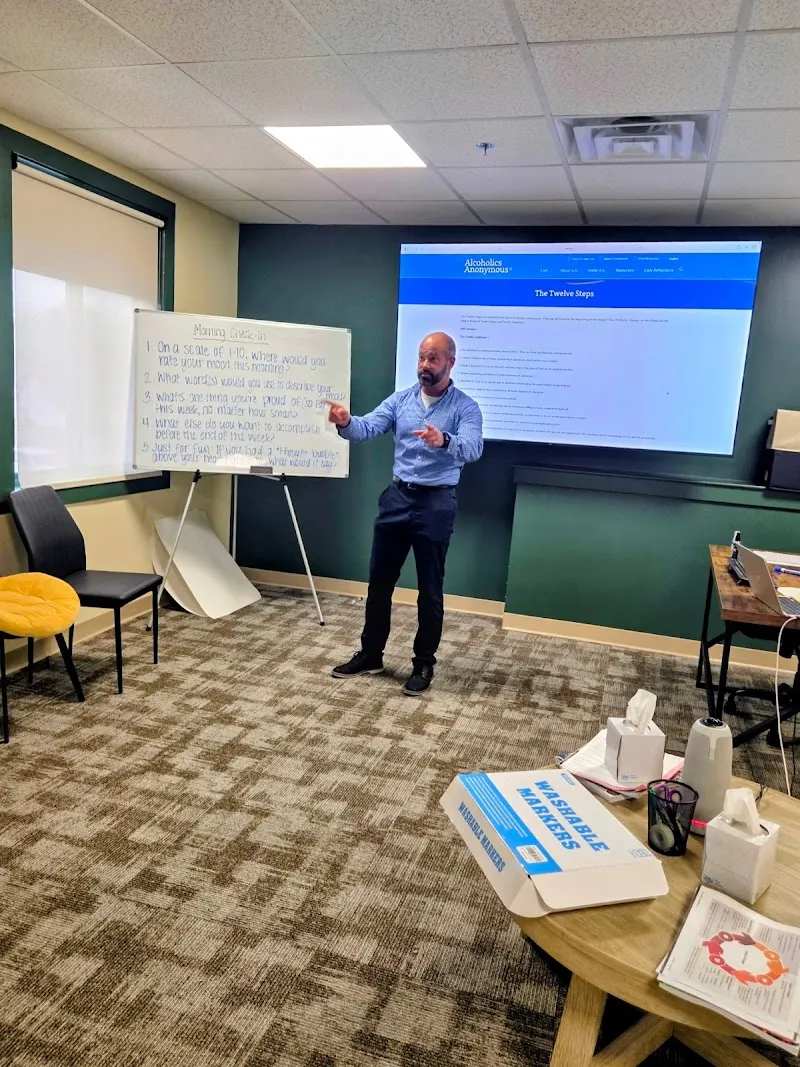
- Terapi an gwoup: Sessions to share experiences and coping strategies with peers.
- Konsèy Endividyèl: One-on-one sessions with a therapist to address personal challenges.
- Physical Activity: Opportunities for exercise, which can improve mood and overall well-being.
- Evening Routine: Reflection on the day, medication distribution, and relaxation time.
Prepare pou Detox
Preparation is essential for a successful detox experience. Here are some tips for individuals and their loved ones:
- Rechèch: Look into detox centers and their accreditation.
- Kominike: Discuss feelings and fears openly to build a support system.
- Esansyèl pake a: Pote rad konfòtab, atik ijyèn pèsonèl, ak tout dokiman nesesè.
- Plan pou Swen Apre: Consider what support or treatment will follow detox.
Kilè Detox nesesè medikalman vs. opsyonèl?
Medical detox is essential when:
- The substance poses a risk of severe withdrawal symptoms, such as alcohol and benzodiazepines.
- A history of previous withdrawal complications or medical issues.
- Almost all cases of opioid dependence, especially with high dosages.
Detox may be optional when:
- The individual has mild substance use and no significant withdrawal history.
- Supportive environments are available to help manage withdrawal symptoms.
Kisa k ap pase apre dezentoksikasyon an?
After completing detox, individuals are often encouraged to enter a treatment program, which can include:
- Inpatient or outpatient rehabilitation.
- Therapy sessions focusing on underlying issues related to addiction.
- Support groups and peer support to maintain sobriety.
Finding Accredited Detox Centers in Boston
When searching for detox centers in Boston, consider the following steps:
- Look for facilities accredited by organizations such as The Joint Commission or the National Association of Addiction Treatment Providers.
- Li kòmantè ak temwayaj ansyen pasyan yo.
- Consult healthcare providers for recommendations.
- Verify the center’s treatment offerings and staff qualifications.
Embarking on the detox journey can be daunting, but understanding what to expect can provide peace of mind. With the right support and resources, individuals can transition into recovery and reclaim their lives.
Plis Resous Rekiperasyon nan Boston
Sober Network is a directory, not an intake form. Explore local facilities and contact providers directly.