Medication-Assisted Treatment (MAT) is a compassionate approach to treating substance use disorders, particularly opioid addiction. In Boston, MA, MAT combines medications with counseling and behavioral therapies to help individuals achieve recovery and maintain long-term sobriety. This holistic method acknowledges that addiction is a complex disease that affects both the brain and behavior, and it aims to provide a comprehensive support system for those seeking help.
What is Medication-Assisted Treatment (MAT)?
MAT is an evidence-based treatment option that integrates medications with counseling and support services. The goal is to reduce withdrawal symptoms and cravings, allowing individuals to focus on their recovery journey. This approach recognizes that a successful recovery involves not just the physical aspects of addiction, but also emotional and psychological support.
Medications Used in MAT
There are several medications commonly used in MAT, each serving a unique purpose in the recovery process:
- Suboxone (Buprenorphine): This medication is a partial opioid agonist, which means it activates the same receptors in the brain as opioids but to a much lesser extent. It helps reduce cravings and withdrawal symptoms without producing the same euphoric effects as full agonists. Suboxone is often paired with naloxone to prevent misuse.
- Methadone: A long-acting opioid agonist, methadone works by relieving withdrawal symptoms and cravings. It is administered in a controlled setting and is effective for those with severe opioid dependency. Methadone allows individuals to engage in daily life without the disruptive effects of withdrawal.
- Naltrexone (Vivitrol): This medication blocks the effects of opioids and reduces cravings. Naltrexone is available in both oral form and as an extended-release injectable (Vivitrol), which can be administered monthly. It is particularly beneficial for individuals who have already completed detoxification and are committed to recovery.
How MAT Works with Counseling
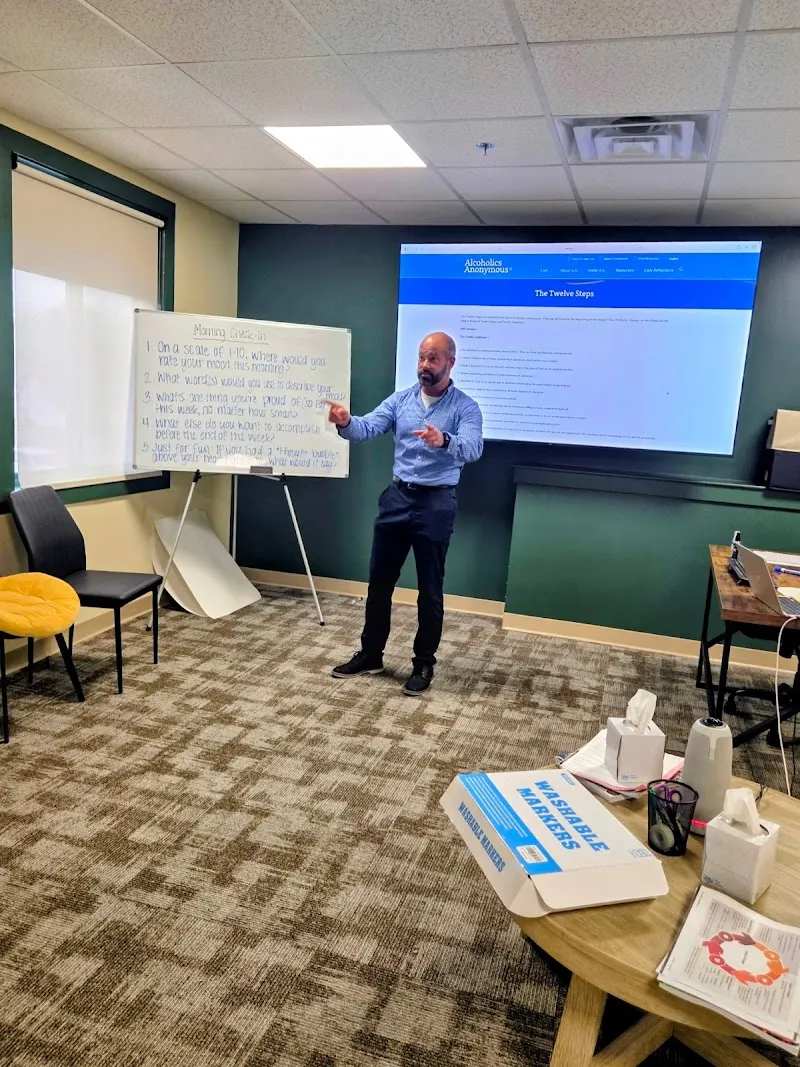
While medications play a crucial role in MAT, counseling is equally important. Counseling provides individuals with tools to address the underlying issues related to their addiction, develop coping strategies, and build a support network. The combination of medication and therapy creates a more comprehensive treatment plan that addresses both the physical and emotional aspects of recovery.
Finding MAT Providers in Boston
In Boston, several resources are available for individuals seeking MAT. Here are some steps to find MAT providers:
- Consult your primary care physician, who may be able to refer you to a qualified MAT provider.
- Visit the Substance Abuse and Mental Health Services Administration (SAMHSA) website, which offers a searchable database of treatment centers.
- Contact local clinics or hospitals specializing in addiction treatment for information on MAT programs.
Insurance Coverage for MAT
Insurance coverage for MAT varies by provider and plan, but many private insurance plans and Medicaid cover MAT services, including medications and counseling. It’s essential to verify your specific plan’s coverage and understand any copayments or deductibles that may apply. Many treatment centers can assist with insurance verification to help you navigate the process.
Addressing Stigma Around MAT
Despite its effectiveness, stigma surrounding MAT persists, often leading to misunderstandings about the treatment. Some common misconceptions include:
- MAT is merely substituting one addiction for another.
- Individuals on MAT are not truly sober.
- MAT is only for those who cannot achieve recovery through abstinence.
Addressing these stigmas is critical in creating a supportive environment for those in recovery. Education and awareness initiatives can help shift public perceptions and promote understanding of MAT as a legitimate and effective treatment option.
Success Rates of MAT
Research indicates that MAT significantly improves outcomes for individuals with opioid use disorders. Studies show that individuals receiving MAT are:
- More likely to remain in treatment compared to those receiving non-medication interventions.
- Less likely to experience overdose and related health complications.
- More likely to achieve and maintain abstinence from opioids in the long term.
The success of MAT is further enhanced when combined with counseling and peer support, offering a holistic approach to recovery.
Who Benefits Most from MAT?
MAT is particularly beneficial for individuals struggling with opioid use disorders, including those who have:
- Previous treatment failures and relapses.
- Severe cravings that interfere with daily life.
- Co-occurring mental health disorders.
Additionally, MAT can be an effective option for individuals seeking a structured and supportive pathway to recovery, allowing them to regain control of their lives.
In conclusion, Medication-Assisted Treatment in Boston, MA, offers a compassionate and evidence-based approach to addressing substance use disorders. By combining effective medications with counseling and support, individuals can find a pathway to recovery, free from the burdens of addiction.
Sober Network is a directory, not an intake form. Explore local facilities and contact providers directly.