Outpatient addiction treatment programs are a crucial component of recovery for many individuals battling substance use disorders. In Boston, MA, there are various levels of outpatient care, each designed to meet the unique needs of those seeking help. Understanding the differences between Intensive Outpatient Programs (IOP), Partial Hospitalization Programs (PHP), and standard outpatient services can help individuals make informed decisions about their recovery journey. This guide aims to provide clarity on these options and practical steps to transition into outpatient care.
Understanding Outpatient Treatment Levels
Intensive Outpatient Programs (IOP)
IOPs are designed for individuals who require a significant level of support but do not need 24-hour supervision. Typically, IOPs offer:
- Frequency: Sessions three to five times a week, lasting about 3-4 hours each.
- Structure: A combination of group therapy, individual counseling, and educational sessions.
- Focus: Developing coping strategies, addressing underlying issues, and building a support network.
IOPs are best suited for individuals who have completed a higher level of care or those who are experiencing moderate to severe addiction but have a stable living situation.
Partial Hospitalization Programs (PHP)
PHPs provide a more intensive treatment option than standard outpatient care but less than full inpatient treatment. Key features include:
- Frequency: Daily sessions, usually for 5-6 hours.
- Structure: Comprehensive treatment that may include medical supervision, therapy, and medication management.
- Focus: Stabilizing individuals and addressing severe symptoms in a structured environment.
PHPs are ideal for those who may have recently completed inpatient care or those who need more rigorous support than what IOPs offer.
Standard Outpatient Programs
Standard outpatient programs are the least intensive level of care, suitable for individuals with milder substance use disorders or those transitioning from higher levels of care. Key characteristics include:
- Frequency: Sessions once or twice a week, typically lasting 1-2 hours.
- Structure: Focused primarily on counseling and support without the structured environment of PHP or IOP.
- Focus: Ongoing support and relapse prevention strategies.
Standard outpatient programs are best for individuals with a strong support system and those who have a stable lifestyle.
Daily Schedules in Outpatient Programs
While schedules may vary by facility, a typical day in an outpatient program might look like this:
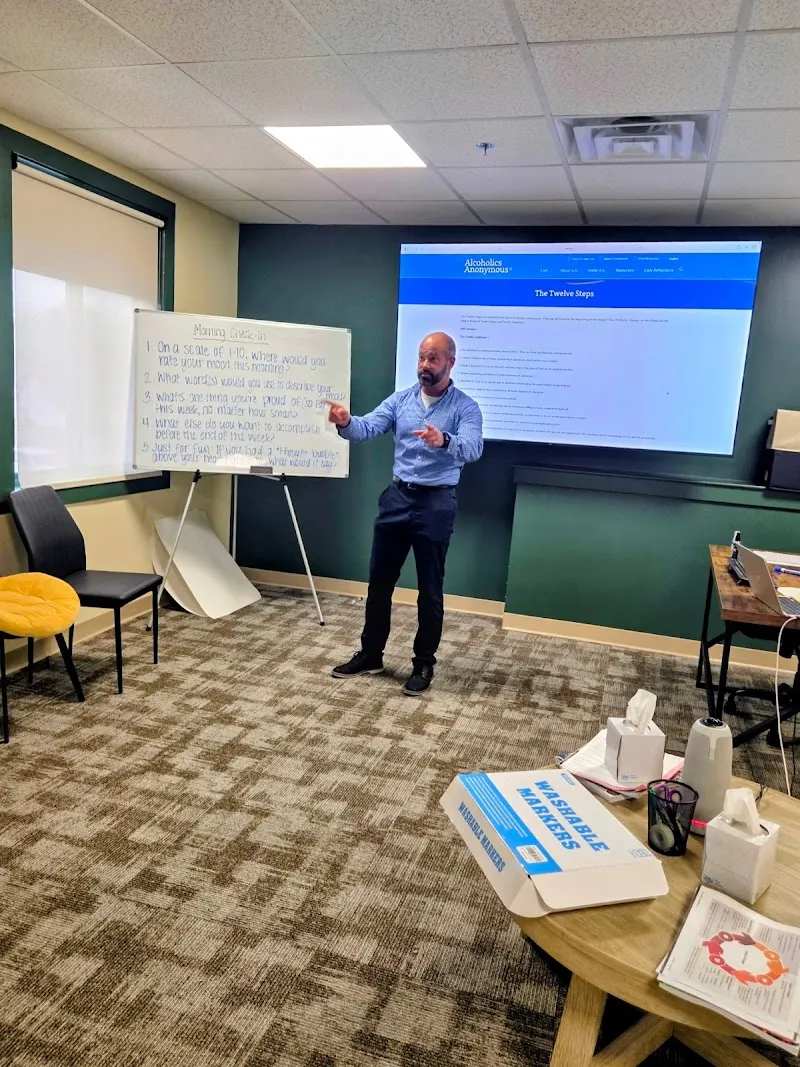
- Morning: Group therapy sessions focusing on various topics related to addiction and recovery.
- Afternoon: Individual counseling sessions to address personal challenges and goals.
- Evening: Support group meetings or family involvement sessions.
Transitioning from Inpatient to Outpatient Care
Transitioning from inpatient to outpatient care is a significant step in the recovery process. Here are practical steps to facilitate this transition:
- Consult Your Treatment Team: Discuss your readiness for outpatient care with your healthcare providers.
- Research Available Programs: Look for IOPs, PHPs, or standard outpatient options in Boston that match your needs.
- Set Up Support Systems: Engage family and friends to create a support network.
- Plan for Relapse Prevention: Work with your therapist to develop a relapse prevention plan.
Cost Comparison and Insurance Coverage
The cost of outpatient programs can vary significantly based on the level of care and the specific facility. Generally, PHPs are more expensive than IOPs, and IOPs tend to cost more than standard outpatient programs. Here are some considerations:
- PHP: Costs can range from $350 to $800 per day, depending on services provided.
- IOP: Costs generally range from $250 to $600 per week.
- Standard Outpatient: Costs typically range from $100 to $300 per session.
Many insurance plans cover outpatient treatment, but coverage can vary widely. It’s essential to check with your insurance provider to understand your benefits and any out-of-pocket costs.
Finding Outpatient Programs in Boston
Here are some practical steps to find suitable outpatient programs in Boston:
- Online Research: Use resources such as SAMHSA’s treatment locator or local directories to find programs.
- Consult Healthcare Providers: Ask your doctor or therapist for recommendations.
- Visit Support Groups: Engage with groups like Alcoholics Anonymous (AA) or Narcotics Anonymous (NA) for leads on local programs.
- Contact Facilities Directly: Reach out to programs for information on their services, schedules, and admission criteria.
In conclusion, Boston offers a variety of outpatient addiction treatment programs tailored to meet the diverse needs of individuals in recovery. By understanding the differences between IOP, PHP, and standard outpatient care, individuals can make informed decisions and take actionable steps towards a healthier, sober future.
Sober Network is a directory, not an intake form. Explore local facilities and contact providers directly.