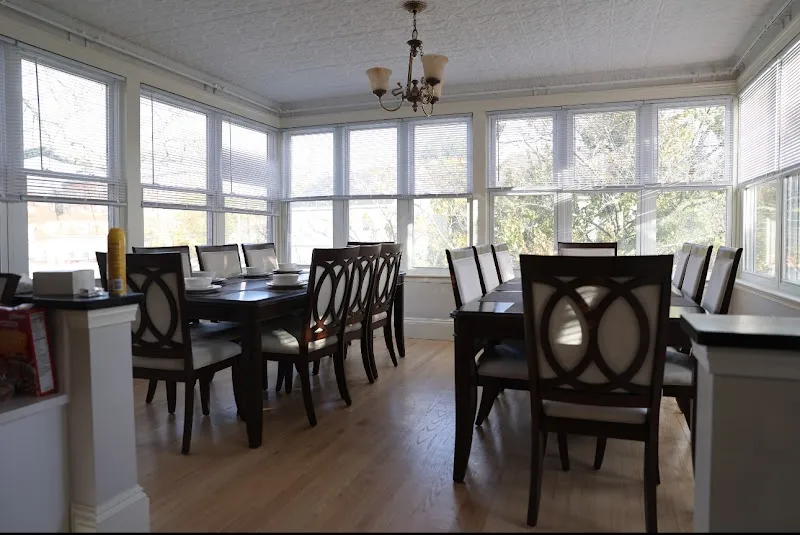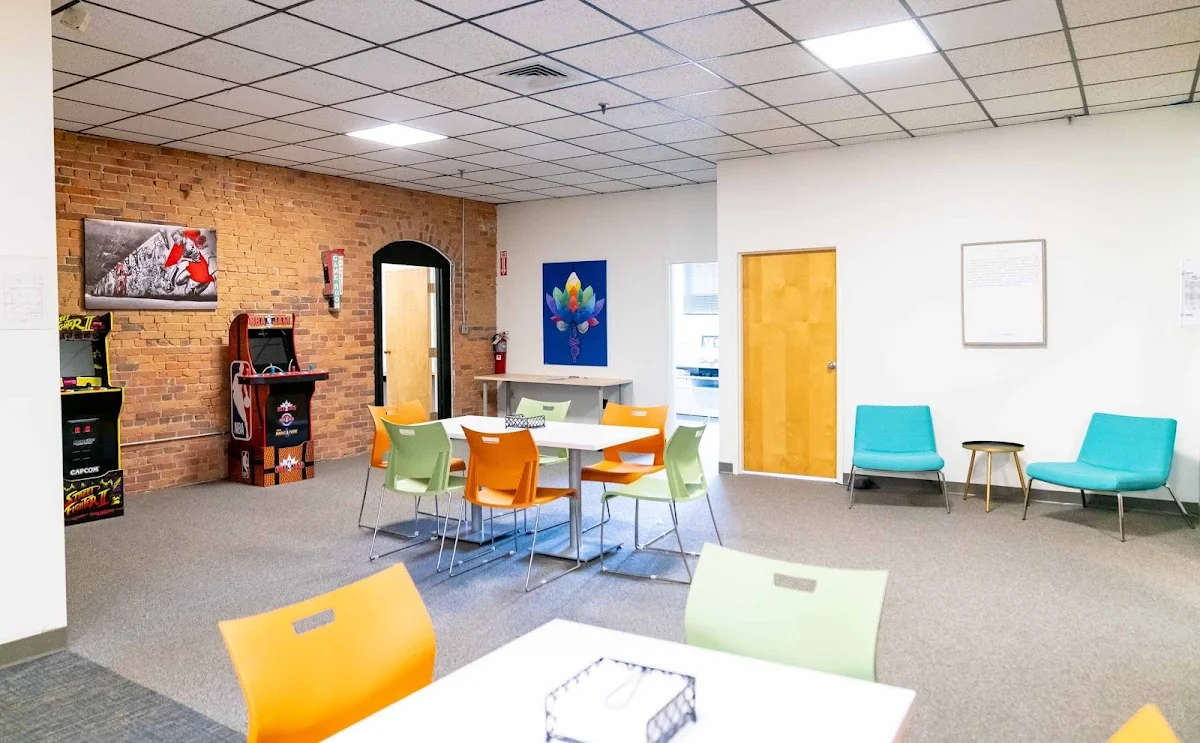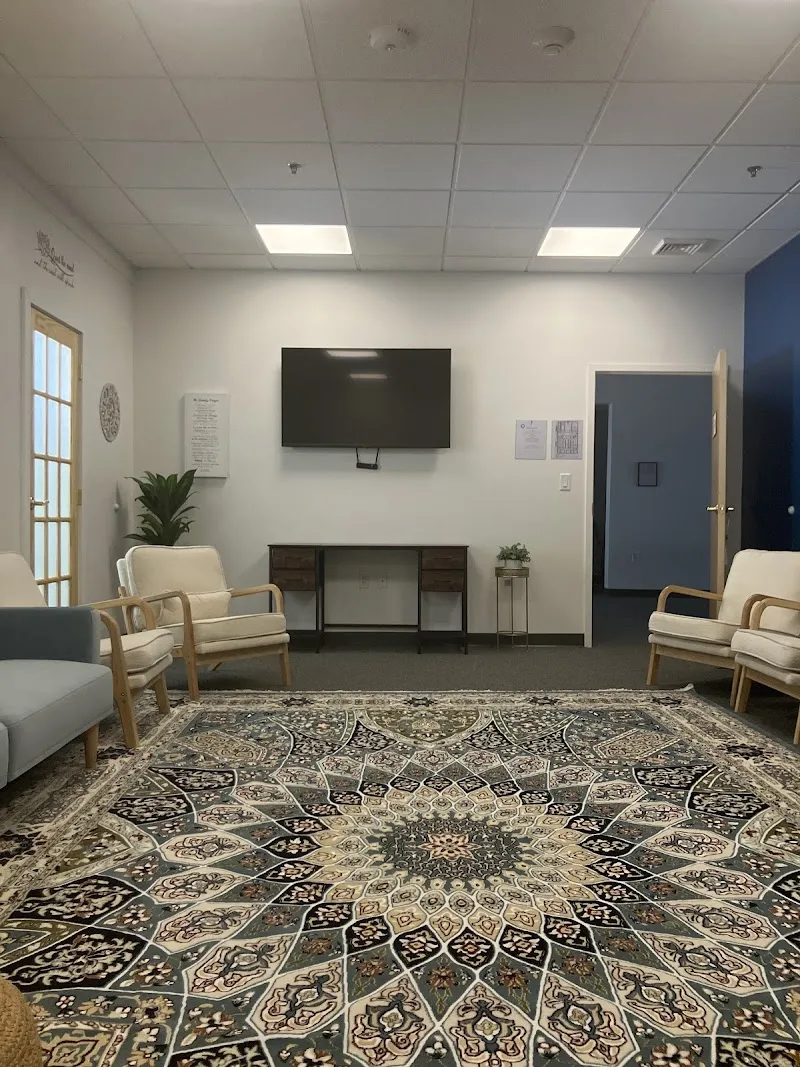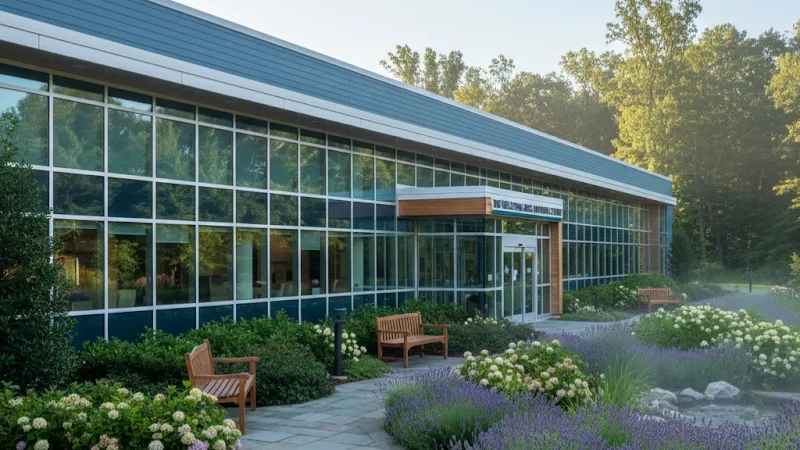
Choosing the right sober living home is a crucial step in the recovery journey. In Boston, MA, there are numerous options, but not all sober living environments are created equal. This guide aims to provide you with essential information to make an informed decision, ensuring you find a supportive and nurturing space that aligns with your recovery goals.
What Makes a Quality Sober Living Home
A quality sober living home provides a safe, structured environment that promotes sobriety and personal growth. Here are some key features to look for:
- Communauté solidaire : Residents should be encouraged to build friendships and support each other in their recovery journeys.
- Environnement structuré : A well-organized schedule with group meetings, chores, and activities helps residents stay engaged and accountable.
- Personnel qualifié : Staff members should have experience in addiction recovery and be trained to support residents effectively.
- Clear Policies: Transparent house rules and expectations create a sense of security and accountability among residents.
Signaux d'alarme à éviter
Not every sober living home is suitable, and it's essential to be aware of potential red flags:
- Lack of Licensing: Ensure the home is certified by a recognized organization.
- Inconsistent Rules: Homes that frequently change their policies may indicate a lack of structure.
- High Turnover Rate: A revolving door of residents may suggest an unhealthy environment.
- Absence of Support Services: Quality homes often provide access to therapy, counseling, and support groups.
Questions à poser pendant les visites
When touring potential sober living homes, asking the right questions can provide clarity on whether the home is a good fit:
- Quelles sont les règles de la maison ? Understanding the expectations can help you gauge the structure of the home.
- What kind of support services are available? Inquire about counseling, group sessions, and any additional resources.
- How are conflicts among residents handled? This reveals the home's approach to conflict resolution and community-building.
- What is the resident-to-staff ratio? Un ratio plus faible indique souvent une attention plus personnalisée.
Règles et attentes de la maison
Every sober living home will have its own set of rules, but common expectations include:
- Zero tolerance for drugs and alcohol.
- Participation régulière aux réunions de maison et aux groupes de soutien au rétablissement.
- Completion of daily chores and responsibilities.
- Respect for fellow residents and staff members.
Understanding these rules is key to fostering a respectful and accountable living environment.
Aide financière et en matière de coûts
The cost of sober living homes can vary significantly based on location and amenities. In Boston, expect to pay anywhere from $500 to $2,000 per month. Here are some options for financial assistance:
- Couverture d'assurance : Check if your health insurance covers sober living costs.
- Non-Profit Organizations: Some organizations may offer grants or funding for individuals in recovery.
- Plans de paiement : Inquire if the sober living home provides flexible payment options.
Différences entre les centres de désintoxication de niveau 1 et de niveau 2
Sober living homes are often classified into two levels:
- Niveau 1 : Typically offers a more basic level of support, focusing on housing and peer support. These homes may have fewer structured programs.
- Niveau 2 : Provides a higher level of care, often including counseling, therapy, and more structured recovery programs. These homes are usually more appropriate for individuals needing additional support.
How to Find Certified Sober Homes in Boston
Finding a certified sober living home in Boston can be done through the following avenues:
- Annuaires en ligne : Websites like the National Alliance for Recovery Residences (NARR) provide listings of certified homes.
- Groupes de soutien locaux : Organizations like Alcoholics Anonymous (AA) or Narcotics Anonymous (NA) can offer referrals and recommendations.
- Ressources communautaires : Reach out to local health departments or addiction recovery centers for guidance.
Conseils pour réussir une vie sobre
Transitioning into sober living can be challenging, but there are strategies to enhance your success:
- Engage Actively: Participate in house meetings and activities to foster connections and accountability.
- Se fixer des objectifs personnels : Work on individual recovery goals and seek support in achieving them.
- Maintain Open Communication: Talk to staff and peers about any challenges you face, and don’t hesitate to ask for help.
- Restez engagés : Embrace the structure and support offered, recognizing that these elements are vital to your recovery.
Choosing the right sober living home is a significant step towards a healthier, sober life. By being informed and proactive in your search, you can find a supportive environment that fosters your recovery journey.
More Recovery Resources in Boston
Sober Network is a directory, not an intake form. Explore local facilities and contact providers directly.