Medication-Assisted Treatment (MAT) has emerged as a vital approach in supporting individuals on their journey to recovery from substance use disorders. In Boston, MA, MAT combines the use of medications with counseling and behavioral therapies to provide a holistic treatment experience. This comprehensive model aims to address both the physiological and psychological aspects of addiction, fostering a pathway towards sustainable recovery.
什么是药物辅助治疗(MAT)?
MAT is an evidence-based treatment strategy designed to help individuals overcome opioid use disorder and other substance dependencies. By integrating medications with counseling, MAT addresses the complex nature of addiction, offering a multifaceted approach that enhances the chances of long-term recovery. The goal is to reduce cravings, manage withdrawal symptoms, and ultimately facilitate a healthier lifestyle.
药物辅助治疗中使用的药物
Several medications are commonly utilized in MAT to assist individuals in their recovery process. Each medication serves a distinct purpose and can be tailored to meet individual needs.
Suboxone (Buprenorphine)
Suboxone is a combination of buprenorphine and naloxone. Buprenorphine is a partial opioid agonist, which means it activates the same receptors in the brain as other opioids but to a lesser extent, reducing cravings without producing the same high. Naloxone is included to prevent misuse if the medication is tampered with.
Methadone
Methadone is a full opioid agonist that has been used for decades to treat opioid addiction. It helps reduce cravings and withdrawal symptoms, allowing individuals to stabilize their lives while engaging in counseling and support services.
Naltrexone (Vivitrol)
Naltrexone is an opioid antagonist that blocks the effects of opioids. It can be administered as a daily pill or as an injectable form (Vivitrol) that lasts for a month. This medication can help prevent relapse by making it difficult for opioids to produce their desired effects.
MAT 如何与咨询相结合
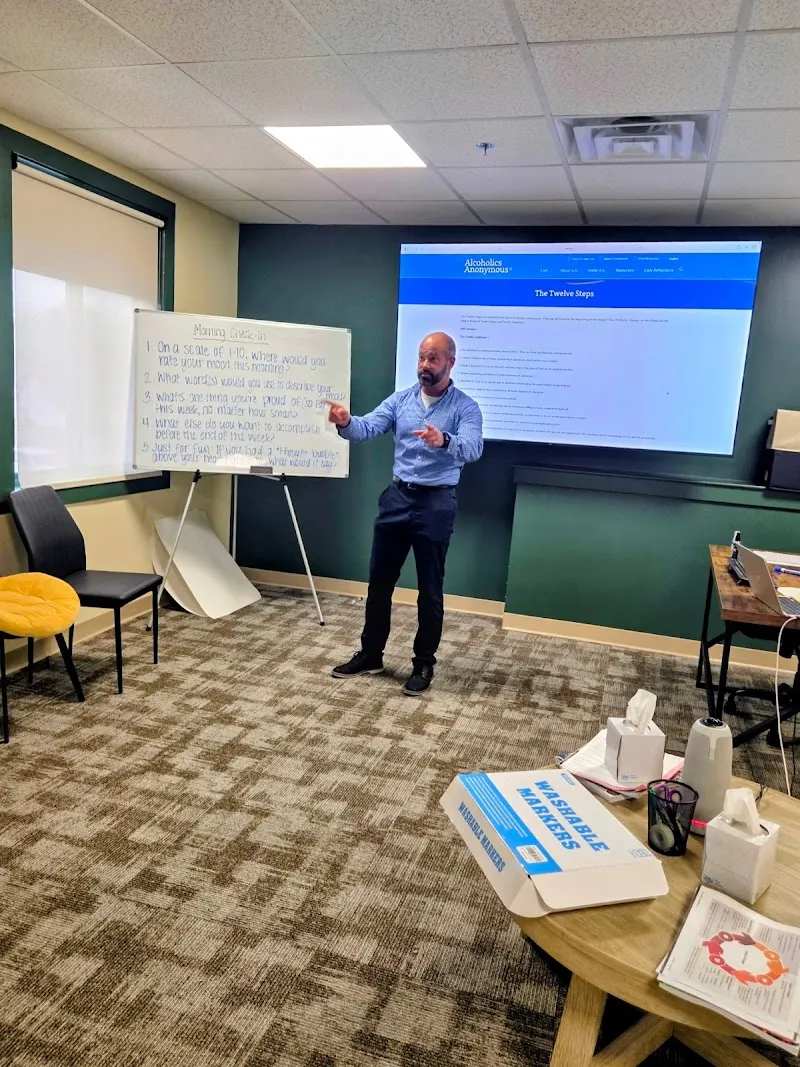
While medications play a crucial role in MAT, they are most effective when combined with counseling and behavioral therapies. This integrated approach addresses the psychological aspects of addiction, helping individuals develop coping skills, rebuild relationships, and establish healthy routines.
- 个人咨询: Provides personalized support and strategies tailored to the individual's unique challenges.
- 团体治疗: Facilitates peer support and shared experiences, reducing feelings of isolation.
- 家庭治疗: Involves loved ones in the recovery process, promoting understanding and healing.
This holistic treatment model recognizes that recovery is not just about stopping substance use; it’s about rebuilding a fulfilling life.
Finding MAT Providers in Boston
In Boston, there are numerous resources available for individuals seeking MAT. Various healthcare providers, clinics, and treatment centers offer MAT services. To find providers, consider the following steps:
- Visit the Substance Abuse and Mental Health Services Administration (SAMHSA) website to locate certified MAT providers.
- Contact local addiction treatment centers for information on MAT options.
- Reach out to healthcare professionals for referrals or recommendations.
It’s essential to choose a provider who understands the complexities of addiction and offers a compassionate, personalized approach to treatment.
MAT的保险范围
Many insurance plans cover MAT, recognizing it as a medically necessary treatment for substance use disorders. In Massachusetts, the state mandates that insurance companies provide coverage for substance use treatment, including the medications used in MAT. However, coverage can vary based on individual plans, so it is advisable to:
- Contact your insurance provider to understand your coverage options.
- Inquire about any potential out-of-pocket costs.
- Ask treatment providers about payment plans or sliding scale fees if insurance coverage is limited.
消除对药物辅助治疗的污名化
Despite its efficacy, stigma surrounding MAT persists, often deterring individuals from seeking help. Many misconceptions exist, including the belief that MAT is merely substituting one addiction for another. Educational initiatives are essential in combating this stigma and fostering an understanding that MAT is a legitimate and life-saving treatment option. By sharing success stories and promoting open discussions, communities can cultivate a more supportive environment for recovery.
MAT的成功率
Research demonstrates that MAT can significantly improve recovery outcomes. Studies suggest that individuals receiving MAT are:
- 更有可能坚持治疗。
- Less likely to use illicit substances.
- At a lower risk of overdose.
Success rates vary based on individual circumstances, but MAT has shown to reduce the risk of relapse and improve overall quality of life.
谁最能从MAT中受益?
MAT is particularly beneficial for individuals struggling with opioid use disorder, including those with a history of relapse or severe addiction. Additionally, it can support:
- Individuals with co-occurring mental health disorders.
- Those who have not succeeded with abstinence-only approaches.
- Individuals seeking a structured and supportive recovery environment.
Ultimately, MAT is a compassionate and effective treatment option that can empower individuals to reclaim their lives and achieve lasting recovery.
More Recovery Resources in Boston
Sober Network is a directory, not an intake form. Explore local facilities and contact providers directly.