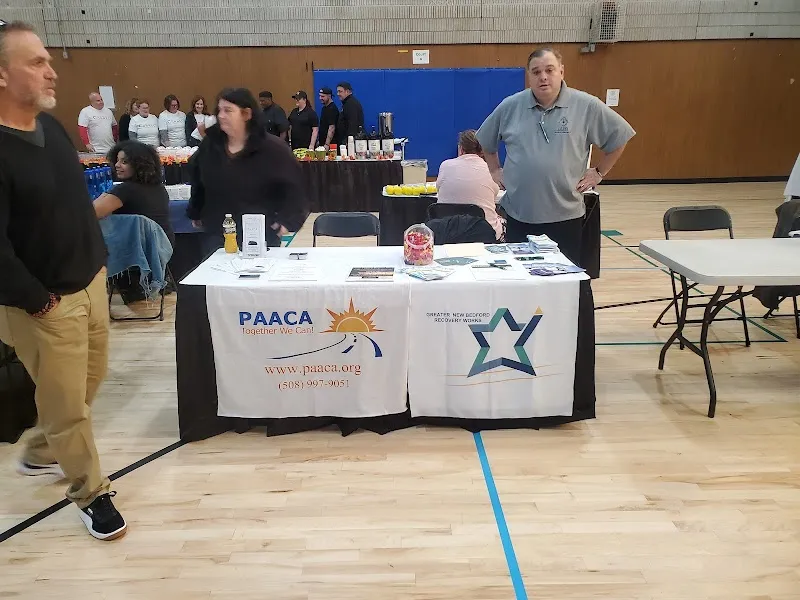
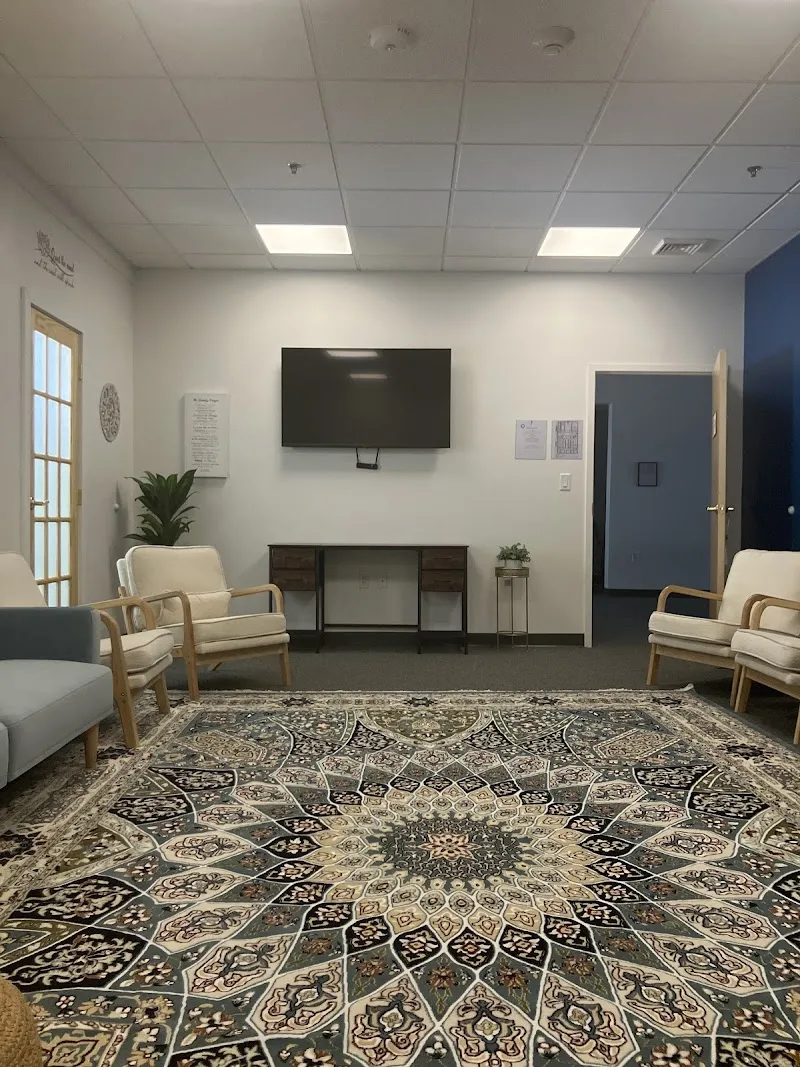
Finding the right recovery treatment resource in Boston can be overwhelming given the variety of options available. Whether you or a loved one is seeking detox, inpatient care, outpatient programs, or support groups, it’s essential to compare and verify providers carefully. This ensures you receive safe, effective care tailored to your needs. This guide offers practical advice on how to evaluate recovery resources in Boston, including key questions to ask, verification methods, and important considerations for medical supervision and support.
Understand the Types of Recovery Resources Available in Boston
Boston offers a range of recovery treatment resources including detox centers, inpatient and outpatient programs, sober living homes, and support groups like AA meetings. Each type serves different stages of recovery. Detox centers provide medically supervised withdrawal management, often requiring qualified medical supervision and access to emergency services such as 988 or SAMHSA hotlines. Inpatient programs offer structured care with 24/7 support, while outpatient programs allow more flexibility. Sober living homes provide a supportive environment after treatment. Knowing these distinctions helps you identify which resource fits your current needs.
Key Factors to Compare When Evaluating Providers
When comparing recovery treatment resources in Boston, consider these critical factors:
- Licensing and Accreditation: Verify that the provider is licensed by Massachusetts health authorities and accredited by reputable organizations.
- Medical Supervision: Check if detox and withdrawal services are overseen by qualified medical professionals.
- Program Types and Approaches: Understand the treatment modalities offered, such as cognitive-behavioral therapy, medication-assisted treatment, or holistic approaches.
- Aftercare and Support: Look for programs that offer relapse prevention and ongoing support options.
- Accessibility: Consider location, transportation options, and whether the provider accepts your insurance.
Comparing these factors helps ensure the program aligns with your recovery goals and practical needs.
Checklist: Questions to Ask Recovery Providers in Boston
Before committing to a program, ask providers these concrete questions to verify their suitability and legitimacy:
- Are you licensed and accredited by Massachusetts state agencies or recognized organizations?
- What medical qualifications do your staff have, especially for detox and withdrawal management?
- Do you provide 24/7 medical supervision during detox?
- What types of therapies and treatment approaches do you offer?
- How do you handle emergencies or crises? Is 988 or SAMHSA hotline support integrated?
- What aftercare or relapse prevention programs do you provide?
- Do you accept my insurance or offer financial assistance?
- Can you provide references or testimonials from former clients?
These questions help you gather essential information to make an informed choice.
How to Verify Current Provider Details in Boston
Verification is crucial to avoid outdated or inaccurate information. Start by visiting official Massachusetts government websites to confirm licensing status. Contact providers directly to ask about current services, staff credentials, and insurance acceptance. Use trusted directories and local recovery resource centers in Boston for updated listings. Additionally, reach out to national organizations like SAMHSA for guidance and to confirm if a provider is recognized. Checking recent reviews and testimonials can also offer insight, but always prioritize official verification over anecdotal reports.
Importance of Qualified Medical Supervision and Emergency Support
Detox and withdrawal can pose serious health risks, making qualified medical supervision essential. Boston recovery centers should have licensed medical professionals overseeing detoxification to manage symptoms safely. In emergencies, providers must have protocols to connect clients with crisis services such as the 988 Suicide & Crisis Lifeline or SAMHSA’s national helpline. Confirming these safeguards protects your health during vulnerable stages of recovery and ensures timely intervention if needed.
Utilize Local Boston Resources and Support Networks
Boston has a strong network of recovery resources beyond treatment centers. Support groups like Alcoholics Anonymous (AA) and Narcotics Anonymous (NA) offer community-based assistance. Local nonprofits and recovery advocacy organizations can provide referrals and guidance tailored to Boston residents. Exploring sober living options in Boston neighborhoods can also support long-term recovery. For more information on sober living and outpatient programs, see Sober Living in Boston and Outpatient Treatment Options. Leveraging these local resources complements formal treatment and fosters a supportive recovery environment.
Conclusion: Making Informed Recovery Choices in Boston
Choosing the right recovery treatment resource in Boston requires careful comparison and verification. By understanding the types of programs, asking targeted questions, verifying credentials, and prioritizing medical supervision and emergency support, you can make safer, more informed decisions. Utilize Boston’s local recovery networks and trusted organizations to support your journey. Remember, resources like 988 and SAMHSA are available for immediate help. Taking these steps empowers you to find the best path toward lasting recovery.
Sober Network is a directory, not an intake form. Explore local facilities and contact providers directly.